“pop out” search results (300)

Things to pay attention to in coffee roasting
When baking the time / temperature curve, it is recommended to record the corresponding temperature at regular intervals, with intervals ranging from 30 seconds to 60 seconds according to personal habits. In addition to temperature, such as the start and end time of the first and second explosions are also indispensable records. Based on these data, a time-temperature curve can be sorted out, which is an important reference data for baking, as long as
2015-05-07 Coffee roasting need attention things time temperature curve baking
The characteristics and Origin of latte
Latte is a classic blend of Italian espresso and milk. Italians also like lattes as breakfast drinks. In the Italian kitchen in the morning, coffee and milk are usually made on the sunlit stove at the same time. Italians who drink lattes like milk rather than espresso, and only espresso can give it to Pop.
2014-08-18 Coffee knowledge latte coffee latte origin
Coffee beans roasting coffee roasting things to pay attention to
Time/temperature curve When baking, it is recommended to record the corresponding temperature every once in a while. The interval can vary from 30 seconds to 60 seconds according to personal habits. In addition to temperature, it is also indispensable to record the start and end time of the first and second explosions. From these data, we can sort out a time-temperature curve, which is an important reference data for baking.
2015-02-02 coffee beans roast coffee need attention things time temperature curve
General knowledge of Fine Coffee reaction in the process of roasting coffee
Once the coffee seed is planted, no one can change its final quality. However, the color, aroma, bioactive components and health characteristics of coffee are related to the roasting process. During the roasting process, coffee is heated at 190-220 degrees for 7-20 minutes, which helps to bake out its aroma and good taste, and helps to form lactone, nicotinic acid and resistance.
2015-01-08 Boutique coffee common sense baking steps process reaction once
Where to start to learn about coffee?
In the process of promoting boutique coffee, friends often ask me how to understand where to start coffee, how to taste and understand the real flavor of a cup of coffee and the difference between coffee from different places. Now I will summarize some of my experience and share with you.
2014-06-13 Coffee knowledge coffee encyclopedia coffee information
Roasting analysis of professional coffee
Once the coffee seed is planted, no one can change its final quality. However, the color, aroma, bioactive components and health characteristics of coffee are related to the roasting process.
2014-06-25 Coffee knowledge coffee roasting coffee encyclopedia
Time / temperature curve of things to pay attention to in coffee roasting
When baking the time / temperature curve, it is recommended to record the corresponding temperature at regular intervals, with intervals ranging from 30 seconds to 60 seconds according to personal habits. In addition to temperature, such as the start and end time of the first and second explosions are also indispensable records. Based on these data, a time-temperature curve can be sorted out, which is an important reference data for baking, as long as
2015-11-09 Coffee roasting need attention things time temperature curve
How to eat coffee beans, coffee tools, tool supplies
Coffee beans may not be roasted evenly in the oven because of the lack of air flow. However, if the oven is used correctly, lack of air circulation can also increase the flavor of coffee beans. Picture 1 with the title Roast Coffee Beans Step 4 preheats the oven to 450 degrees Fahrenheit. Prepare the baking pan when the oven is preheated. This method requires
2016-05-23 Coffee consumption method coffee beans tools consumables because lack air flow
Coffee bean baking technology Coffee roasting things you need to pay attention to
When baking the time / temperature curve, it is recommended to record the corresponding temperature at regular intervals, with intervals ranging from 30 seconds to 60 seconds according to personal habits. In addition to temperature, such as the start and end time of the first and second explosions are also indispensable records. Based on these data, a time-temperature curve can be sorted out, which is an important reference data for baking, as long as
2015-03-18 Coffee beans roasting technology coffee need attention things time temperature curve
Steps of wet treatment of coffee after picking
As the harvest season is almost over, I would like to add an overview of the coffee processing process. In this blog post, I will introduce to you the steps of wet treatment in Yunnan after coffee picking. After harvest, the berries are either sent directly to the pulp collector (if the harvest is done well), or concentrated in a siphon tank filled with water. The berries are here.
2014-08-05 Coffee picking later processing step harvest season right away over here
Analysis of coffee roasting degree the difference between light roasting, moderate roasting and deep roasting
Once the coffee seed is planted, no one can change its final quality. However, the color, aroma, bioactive components and health characteristics of coffee are related to the roasting process. During the roasting process, coffee is heated at 190-220 degrees for 7-20 minutes, which helps to bake out its aroma and good taste, and helps to form lactone, nicotinic acid and resistance.
2016-01-12 Coffee roasting degree resolution light medium depth distinction key points once
Experience of roasting raw beans of Panamanian coffee how do Panamanian beans are baked? Roasting heart of coffee beans
Panamanian coffee beans in roasting to reach 1 burst dense out of beans, can be shallow, but not over 1 burst. Here's a baking curve to avoid some expensive mistakes: first, 1 explosion and 2 over 1 explosion means that no more explosions can be heard after the explosion. Many people have also asked about the difference between the first explosion and the second explosion. We found one thing to pay attention to.
2016-03-25 Panama coffee raw beans roasting experience beans how coffee beans
Bolivian coffee flavor and taste introduction to boutique coffee beans in Manor
It was on the ridge of the roof of South America in Bolivia, Sanmao was moved by the sight, and those compatriots of the same race a few generations ago also greeted her with warm arms and reluctantly watched her leave. It turned out that Sanmao said La Paz was a beautiful lily, blooming on the grass of the plateau, Sanmao said its fragrance, I can never forget why here.
2016-07-18 Bolivia coffee flavor taste manor boutique coffee beans introduction is in
Explain the steps of wet treatment after coffee picking
As the harvest season is almost over, I would like to add an overview of the coffee processing process. In this blog post, I will introduce to you the steps of wet treatment in Yunnan after coffee picking. After harvest, the berries are either sent directly to the pulp collector (if the harvest is done well), or concentrated in a siphon tank filled with water. The berries are here.
2014-12-16 Coffee picking later processing steps explanation harvest season right away over.
Basic knowledge of fine coffee things that need to be paid attention to in coffee roasting
When baking the time / temperature curve, it is recommended to record the corresponding temperature at regular intervals, with intervals ranging from 30 seconds to 60 seconds according to personal habits. In addition to temperature, such as the start and end time of the first and second explosions are also indispensable records. Based on these data, a time-temperature curve can be sorted out, which is an important reference data for baking, as long as
2014-12-12 Boutique coffee basics common sense baking need attention things time temperature
Wet Processing of Yunnan Coffee Bean
We all know that there are two main types of coffee bean processing: dry processing and wet processing. This blog post has a detailed introduction from coffee trees to coffee. Next, let's look at the wet processing of Yunnan coffee beans. After harvesting, the berries are either sent directly to the pulp collector (in the case of a good harvest) or concentrated in a siphon tank filled with water. Berries in this
2014-09-10 Yunnan coffee beans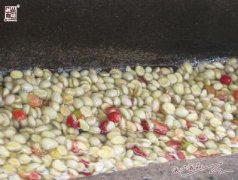
How to treat Yunnan coffee beans
As harvest season draws to a close, I would like to add an overview of the coffee processing process. In this blog post, I will introduce you to the wet processing steps after coffee picking in Yunnan. After harvest, the berries are either sent directly to a pulp collector (if the harvest is done well) or collected in a siphon tank filled with water. Berries are here.
2016-05-25 Yunnan coffee beans how processing wet planing harvest season immediately passed in
Treatment methods of coffee beans after picking wet treatment steps
As the harvest season is almost over, I would like to add an overview of the coffee processing process. In this blog post, I will introduce to you the steps of wet treatment in Yunnan after coffee picking. After harvest, the berries are either sent directly to the pulp collector (if the harvest is done well), or concentrated in a siphon tank filled with water. The berries are here.
2015-03-24 Coffee beans picking after treatment methods steps harvest season right away past
Roasting principle of coffee beans
The small, high-altitude raw Arabica coffee beans are like a warehouse full of chemicals. At present, scientists have identified more than 2, 000 known ingredients, of which 70 to 850 are aromatic ingredients, which can be called the most fragrant in the human diet. There are only 150 kinds of vanilla used for seasoning in the catering industry, and the mellow composition of wine is far from it.
2014-08-15 Coffee knowledge coffee roasting roasting principle
Analysis of Coffee roasting steps
Once the coffee seed is planted, no one can change its final quality. However, the color, aroma, bioactive components and health characteristics of coffee are related to the roasting process. During baking, coffee is heated at 190-220 °for 7-20 minutes, which helps to produce its aroma and good taste, and helps to form lactone, nicotinic acid, and
2014-08-20 Coffee knowledge baking steps coffee roasting skills